Reopen Access Without Destroying Habitat Structure
Brush Cutting in Des Moines' surrounding areas for timber edges and food plot approaches overtaken by woody growth
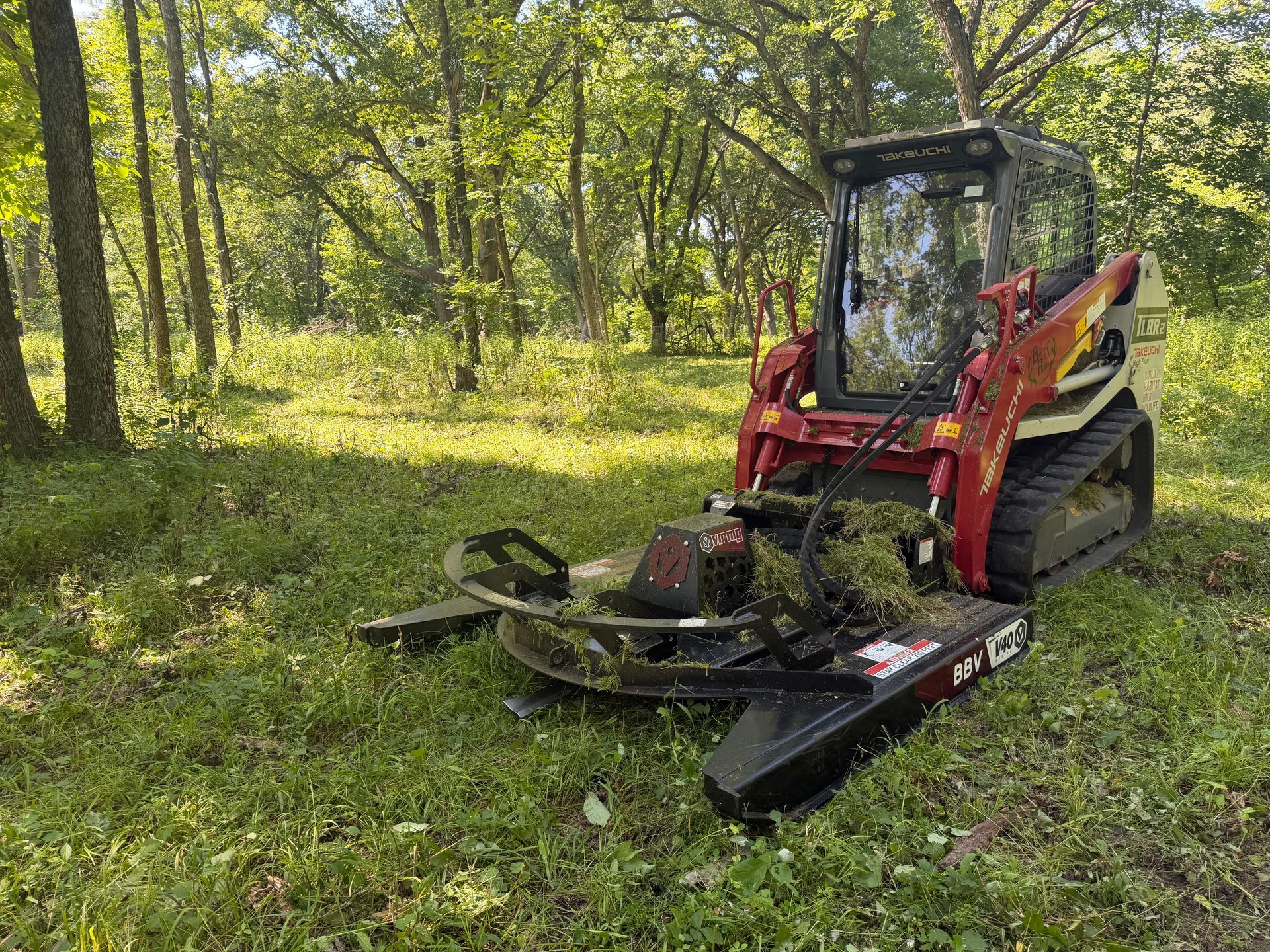
Honeysuckle and multiflora rose, across central Iowa properties, can close off deer movement lanes and block food plot access within a single growing season. BadHabitz Outdoors cuts encroaching woody vegetation on timber edges and transitional acreage across the surrounding Des Moines areas, making selective removal decisions based on what's being preserved—mast trees, browse species, and bedding structure—rather than clearing everything in the path. This approach reopens access routes and sightlines without eliminating the habitat features that make a property huntable in the first place.
Brush cutting addresses the aggressive woody species that dominate Iowa timber edges and properties where honeysuckle and multiflora rose establish thick barriers along field borders and interior trails. Timing matters: cutting during Iowa's late-dormant window reduces regrowth pressure and makes follow-up management more effective. The work is selective, not a wholesale clearing operation.
Schedule a property evaluation to identify which vegetation should be removed and which should remain in place.
How Selective Cutting Preserves Huntable Ground
The cutting process accounts for habitat function at every step—marking browse species and mast-producing trees before equipment moves in, leaving bedding structure intact where deer use it, and reopening movement corridors without destroying the cover that holds deer on the property. This is not brush hogging or clear-cutting; decisions are made plant by plant based on what the property needs to function as huntable ground.
After cutting is complete, you'll notice clear access to food plots from staging areas, defined shooting lanes along timber edges, and movement corridors that deer actually use instead of avoiding. The property becomes easier to hunt without losing the structural complexity that makes it attractive to deer. Badhabitz Outdoors serves timber edge and transitional acreage properties across the rural areas surrounding Des Moines, where brush encroachment is a constant management challenge.
Cutting effectiveness depends on follow-up management—particularly for species like honeysuckle that resprout aggressively if stumps aren't treated. Some properties benefit from a second-pass approach where regrowth is addressed in the following season, while others require immediate stump treatment to prevent reestablishment. The removal plan is built around the property's hunting use, not just vegetation density.
What Land Managers Ask Before Cutting Starts
Properties across central Iowa face heavy pressure from invasive woody species, and land managers often have detailed questions about how removal decisions get made and what changes after cutting is finished.
What determines which plants get cut and which stay?
Cutting decisions are based on species identification, habitat value, and hunting function—mast trees like oak and hackberry stay, invasive honeysuckle and multiflora rose are removed, and browse species are evaluated based on density and location.
When is the best time to cut brush on Iowa properties?
Late-dormant season cutting, typically late winter before green-up, reduces regrowth pressure and makes it easier to identify which plants are invasive versus native; this timing also minimizes soil disturbance when equipment is on frozen or firm ground.
How much regrowth should I expect after brush cutting in Des Moines?
Honeysuckle and multiflora rose resprout aggressively if stumps aren't treated; elm and other native species regrow more slowly but still require follow-up management within two to three years depending on site conditions.
What's the difference between brush cutting and forestry mulching for habitat work?
Brush cutting is selective removal targeted at specific problem areas or access routes, while forestry mulching processes larger volumes of material and leaves mulch in place; cutting is used when you're preserving structure, mulching when you're resetting a larger area.
Does cutting affect deer movement immediately or does it take time?
Deer adjust to newly opened corridors within days if the cuts align with existing travel patterns; poorly planned cuts that remove too much cover or create open exposure zones get avoided until vegetation fills back in.
Badhabitz Outdoors works with landowners who need brush removed without losing the habitat structure that makes their properties productive hunting ground. Arrange an on-site consultation to review which areas need cutting and how removal fits into your overall habitat plan.