Native Cover That Holds Wildlife Year-Round
Native seed planting in Des Moines for properties that need bedding cover and thermal protection beyond what annual food plots provide
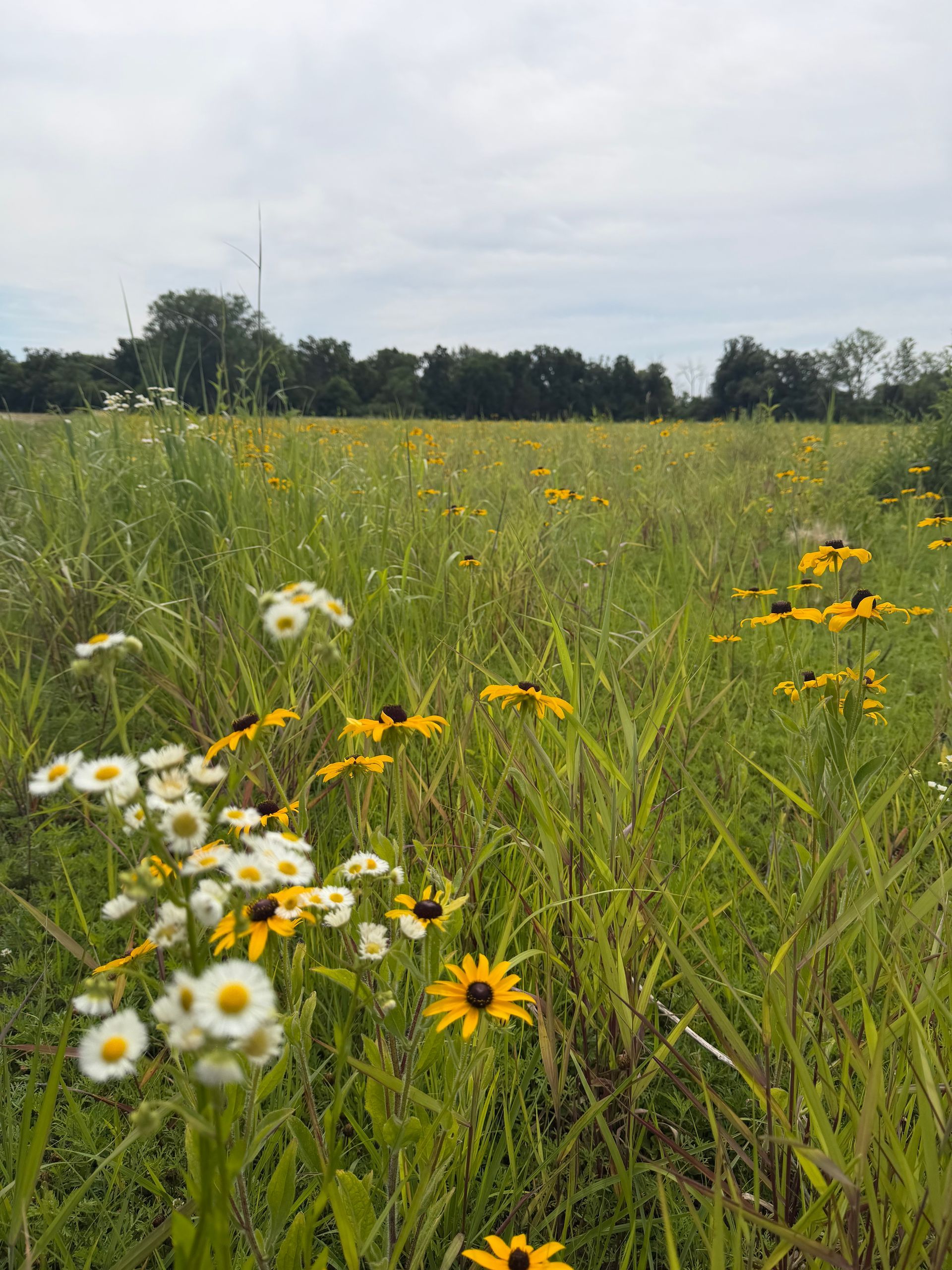
Big bluestem, switchgrass, and native forbs create the vertical structure and year-round cover that food plots alone cannot replicate. Badhabitz Outdoors establishes Iowa-native prairie species on formerly row-cropped or disturbed ground across Des Moines and central Iowa — plantings selected for wildlife performance and erosion control, not aesthetic appearance alone. Transitional acreages in the State of Iowa that are being converted from agricultural production to managed habitat see the greatest benefit, where native stands provide the bedding security and thermal protection that keep mature bucks on the property during hunting season.
Native planting requires site preparation that eliminates competing vegetation without eroding topsoil, followed by seeding with Iowa ecotype varieties matched to the region's frost dates, rainfall patterns, and soil types. These species establish more slowly than food plot annuals but develop deep root systems that improve soil structure and provide stand density that increases with each growing season.
Schedule a site evaluation to determine which native species are appropriate for your soil conditions and habitat objectives.
Why Native Plantings Outperform Generic Cover Crops
Iowa ecotype seed selection ensures that planted grasses and forbs match the specific climate window, soil chemistry, and wildlife pressure found across central Iowa. Generic native seed mixes sourced from other regions often fail to germinate reliably or lack the stand density needed to provide functional bedding cover, because they're adapted to different rainfall timing or frost schedules. Properly established native plantings provide structure that remains standing through Iowa's winter wind and snow events, offering thermal protection when annual vegetation has collapsed and food plots are grazed down.
Once established, native stands show measurable use — bedding sign concentrated within the tallest, densest sections, travel trails along the edges where deer move between bedding and feeding areas, and increased fawn-rearing activity during late spring when does seek secure cover for newborns. The stands also improve every year, developing thicker stem density and taller structure as root systems mature.
Native plantings complement food plots by creating the security cover deer require before committing to open feeding areas during daylight hours. Properties that combine native bedding blocks with well-positioned food plots see longer feeding durations and more consistent daylight activity compared to ground that offers food without adjacent cover.
Frequently Asked Questions About Native Plantings
Landowners planning native grass and forb establishment across central Iowa typically ask about establishment timelines, maintenance requirements, and how native cover integrates with food plot strategies.
How long does it take for native grasses to reach functional bedding height?
Most warm-season native grasses reach three to four feet of height by the end of the second growing season, with full maturity and maximum stem density occurring in year three after root systems are fully developed.
What site preparation is required before seeding native species?
The site must be cleared of competing cool-season grasses and broadleaf weeds, typically through herbicide application or repeated mowing, to reduce competition during the slow establishment phase when native seedlings are most vulnerable.
Can native plantings be established on former row crop ground?
Former agricultural ground is often ideal for native establishment because the soil has been previously tilled and lacks the dense sod layer that makes native seeding difficult on long-term pasture or CRP ground.
Why choose Iowa ecotype seed varieties instead of generic native mixes?
Iowa ecotype varieties are adapted to central Iowa's specific frost-free period and summer rainfall patterns, which differ enough from neighboring states to affect germination success and long-term stand survival.
Do native plantings require ongoing maintenance after establishment?
Established native stands benefit from periodic prescribed fire or mowing every three to five years to reset succession and prevent woody encroachment, but they require far less annual input than food plots once mature.
Badhabitz Outdoors selects native species based on how wildlife will use the cover, not just what will grow on the site — the goal is functional habitat that improves hunting success, not generic conservation plantings. Set up a property visit to discuss native planting zones and how they fit into your overall food plot and bedding cover strategy.