Restore Native Plant Communities on Functional Ground
Invasive Species Removal in rural areas surrouding Des Moines for properties where autumn olive, multiflora rose, and reed canary grass have reduced habitat value
Autumn olive and multiflora rose outcompete native browse across central Iowa, creating dense monocultures that eliminate the plant diversity deer and other wildlife depend on for food and cover. Reed canary grass dominates low areas and riparian edges, choking out the native forbs and grasses that provide nutritional value during critical seasons. Badhabitz Outdoors removes invasive species from timber edges and river corridor properties where these plants have overtaken native vegetation, using species-specific methods that protect desirable plants while eliminating the invasives. This is targeted habitat restoration, not a blanket spray program that kills everything in the treatment zone.
Removal method is matched to the species being addressed—mechanical cutting for woody invaders like autumn olive and honeysuckle, targeted herbicide application for grass species like reed canary that can't be effectively controlled through cutting alone. Properties along the Raccoon River and Des Moines River bottom face constant reinvasion pressure from waterway seed dispersal, which means removal timing and follow-up management are critical to keeping invasives from reestablishing.
Request a property evaluation to identify which invasive species are present and what removal strategy will protect native vegetation.
What Removal Actually Accomplishes Long-Term
Species-specific removal protects the native browse and cover plants that were being shaded out or crowded by invasives—plants like wild plum, blackberry, native sunflowers, and goldenrod that provide nutrition and habitat structure throughout the year. The process involves identifying which plants are invasive versus native, selecting the removal method that won't damage desirable vegetation, and timing the work to minimize reinvasion from seed sources on adjacent properties or in waterways.
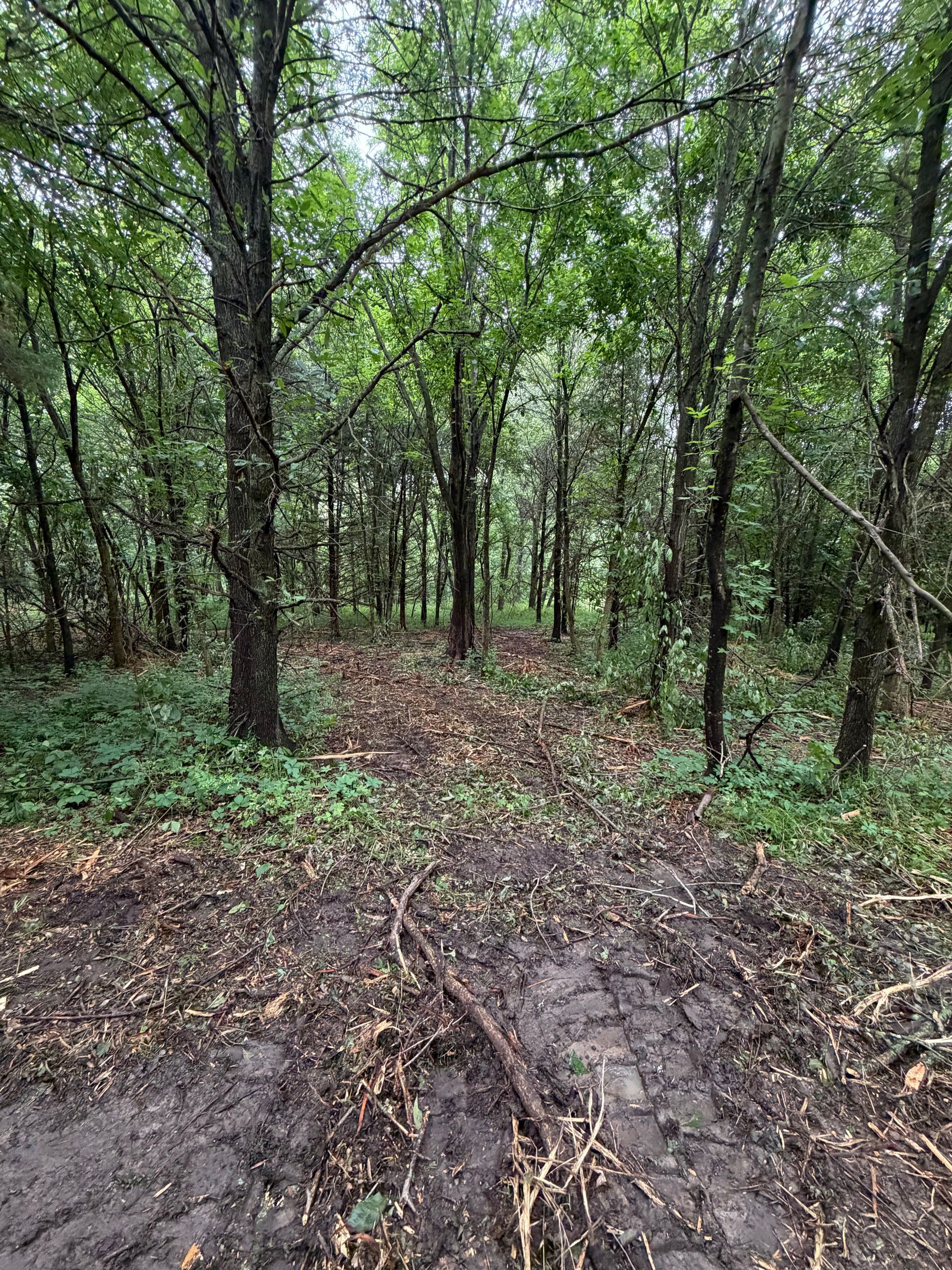
Once invasives are removed, native plant communities begin recovering within a single growing season—browse species leaf out earlier and produce more growth, native grasses and forbs fill gaps left by reed canary grass, and the overall plant diversity increases. You'll notice deer using areas they previously avoided, better visibility through timber edges where autumn olive had created impenetrable walls, and the return of native wildflowers and forbs that had been suppressed for years. Properties across central Iowa where invasive pressure is highest—particularly river corridor and timber edge ground—see the most dramatic shifts in habitat quality after removal.
Removal effectiveness depends on follow-up management, especially on properties near seed sources like rivers or neighboring land with heavy invasive populations. Some invasives like autumn olive require stump treatment to prevent resprouting, while others like reed canary grass need multiple-season treatment cycles to fully eliminate the root mass. The removal plan accounts for these species-specific differences rather than applying a one-size-fits-all approach.
Questions Property Owners Ask About Invasive Removal
Invasive species management is a common concern across central Iowa, especially on properties near waterways or timber edges where reinvasion pressure is constant.
What's the difference between cutting invasives and using herbicide?
Woody invaders like autumn olive and honeysuckle can be cut mechanically, but stumps require herbicide treatment to prevent resprouting; grass invasives like reed canary grass don't respond to cutting and require targeted herbicide applications to eliminate the root system.
How do you protect native plants during invasive species removal in Des Moines?
Application methods are selective—woody invasives are treated individually with cut-stump or basal bark techniques, and grass invasives are sprayed during windows when native warm-season grasses are dormant but the invasive is still actively growing.
Why do properties along the Des Moines River bottom have more invasive problems?
Waterways act as seed highways—autumn olive, honeysuckle, and reed canary grass seeds disperse downstream and establish on riverbanks and floodplains, creating constant reinvasion pressure even after removal is completed on a property.
How long does it take for native plants to come back after invasives are removed?
Native browse species and forbs begin filling gaps within one growing season; full recovery of plant diversity and habitat structure typically takes two to three years depending on seed bank availability and how long invasives had dominated the site.
Can I remove invasives myself or do I need someone who understands habitat management?
Effective removal requires species identification, knowledge of which herbicides work on which plants, and timing decisions that prevent damage to native vegetation—mistakes often result in killing desirable plants or incomplete removal that allows invasives to reestablish quickly.
Invasive species removal is the first step toward restoring a functional native plant community on properties where habitat value has been compromised. Badhabitz Outdoors serves river corridor and timber edge properties across central Iowa where invasive pressure is highest. Schedule a consultation to identify which species are present and develop a removal strategy that protects native vegetation.