Conservation Projects Built Around Habitat Function
CRP and NRCS Program Assistance in Des Moines for landowners implementing conservation improvements that meet program objectives
Conservation Reserve Program and Natural Resources Conservation Service contracts require specific habitat improvements—native grass establishment, pollinator plantings, timber stand improvements, invasive species management—that align conservation goals with wildlife benefits. Badhabitz Outdoors assists private landowners, farmers, and recreational property owners in Des Moines with planning and implementing these conservation projects, from initial property evaluation through project completion. The work is designed to meet USDA program specifications while creating functional habitat that supports deer, upland birds, and other wildlife rather than simply checking compliance boxes.
Assistance includes reviewing property eligibility for conservation programs, developing habitat plans that satisfy program requirements, and executing approved conservation practices like native vegetation establishment, brush clearing, and invasive species removal. The team coordinates the project from planning through implementation, ensuring that seeding rates, species selection, and management practices align with both NRCS standards and the landowner's habitat objectives.
Arrange a property consultation to review which conservation practices fit your land and how program specifications translate into functional habitat improvements.
Why Program Compliance and Habitat Quality Both Matter
Conservation contract work involves meeting specific technical standards—seeding rates for native grasses, plant diversity requirements for pollinator habitat, timber stand density targets—while making decisions that produce habitat landowners actually want to manage. This means selecting Iowa ecotype native seeds that establish in central Iowa soil and climate conditions, timing invasive removal to prevent reestablishment before native plantings take hold, and designing food plot layouts that satisfy program buffers while remaining accessible and huntable.
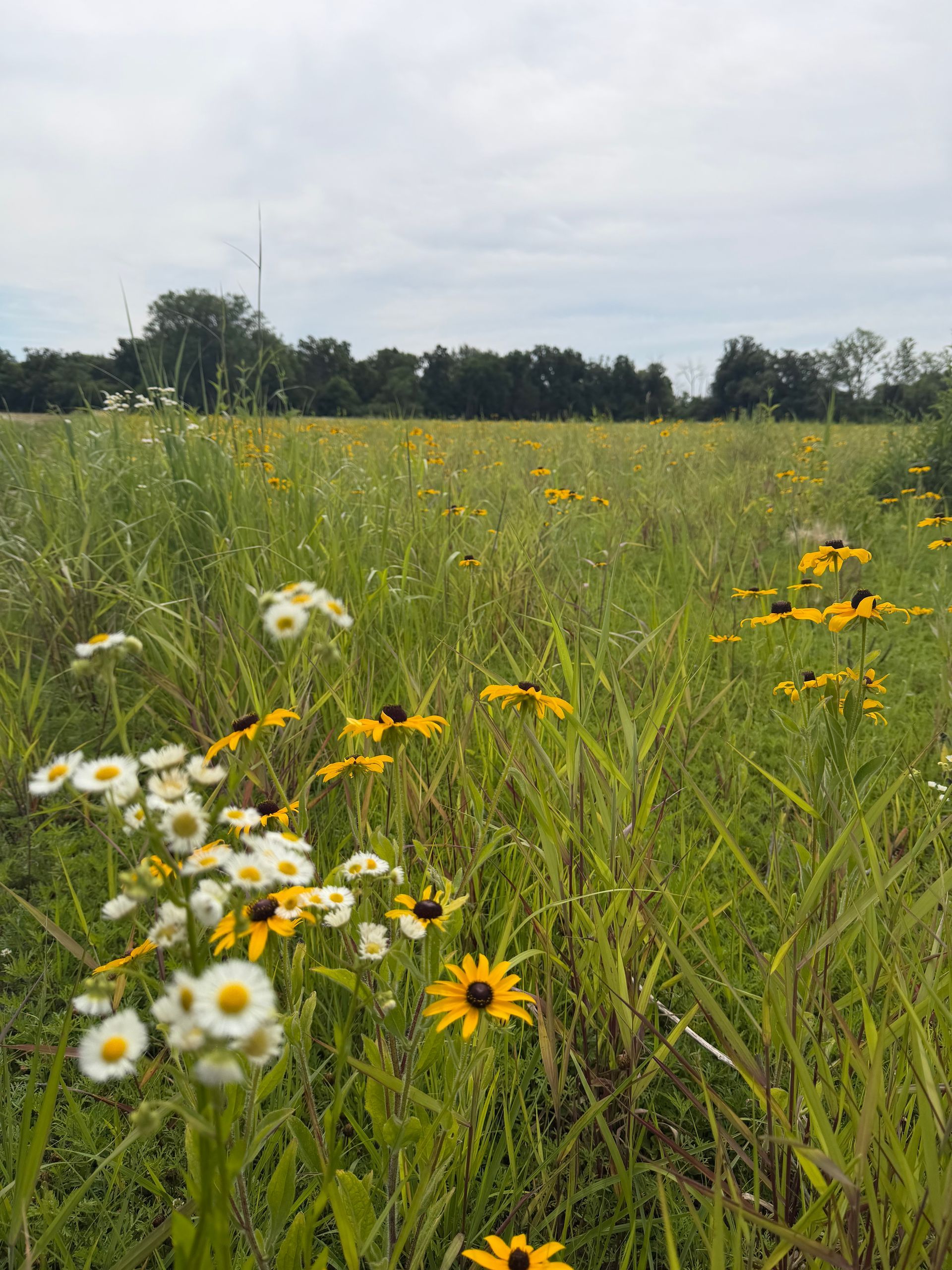
Once conservation projects are completed and vegetation establishes, landowners notice improved wildlife use, better cover diversity across the property, and habitat that requires less intensive management than non-native plantings or unmanaged ground. Native grass and forb plantings provide year-round cover and food sources, timber stand improvements open understory growth that deer and turkeys use for browse and nesting, and invasive removal allows native plant communities to recover and provide the structural diversity that supports multiple wildlife species. Projects installed according to program standards remain compliant through the contract period without requiring replanting or corrective work.
Program requirements vary depending on the specific conservation practice being implemented—some contracts allow food plot integration within buffer zones, others restrict disturbance during nesting season, and most require ongoing maintenance reports. Understanding these requirements before project installation prevents compliance issues and ensures the habitat functions as intended for both conservation objectives and landowner use.
Common Questions About Conservation Contract Work
Landowners considering conservation programs often need clarity on how program requirements affect habitat planning and what level of assistance is available during project implementation.
What conservation practices does Badhabitz Outdoors help with under CRP and NRCS contracts?
Services include native grass and pollinator habitat establishment, brush clearing and forestry mulching, timber stand improvement, invasive species management, food plot planning that meets buffer requirements, and habitat restoration projects that align with approved conservation plans.
How do conservation programs affect what I can plant or remove on my property in Des Moines?
Program specifications define which plant species are approved, what seeding rates must be met, when disturbance activities can occur, and how much of the property must remain in conservation cover; planning assistance ensures these requirements are met while still creating functional habitat.
Can I integrate food plots into a property enrolled in a conservation program?
Some CRP and NRCS practices allow food plot establishment within designated buffer zones or as part of wildlife habitat plans; the key is ensuring plot location, size, and maintenance practices align with program rules and don't jeopardize contract compliance.
What happens if vegetation doesn't establish correctly after a conservation planting?
Most programs require successful establishment within a defined timeframe, which means seeding rates, species selection, and planting timing must account for Iowa's variable spring weather and soil conditions; native seed selection matched to central Iowa ecotypes reduces establishment failure.
Do conservation contracts require ongoing maintenance after the initial project is finished?
Yes—most programs require periodic mowing, invasive species control, and management reports to maintain compliance; understanding these obligations before enrollment prevents surprises and ensures landowners can meet program requirements throughout the contract period.
Badhabitz Outdoors works with landowners implementing conservation projects that meet program standards while producing habitat that functions for wildlife and recreational use. Request a consultation to review your property's eligibility and develop a conservation plan that aligns program objectives with your habitat goals.